The Reuben Files: A Deli Legend's Journey from Europe to Amsterdam
Walk into any authentic New York deli, and you’ll find the Reuben sandwich sitting proudly atop the menu. It’s not just a sandwich; it’s a monument to culinary creativity, a symphony of savory, tangy, and rich flavors, all pressed between two slices of rye. But like many great American tales, the Reuben’s story isn’t purely homegrown—it’s a delicious immigrant narrative with roots stretching all the way back to the Old World, now finding new life here in Amsterdam.
The Great Reuben Debate: Omaha or NYC?
The origin of the Reuben is, fittingly, a hotly debated topic, much like a friendly argument over who makes the best pastrami. Two main claimants stand out:
- Reuben Kulakofsky, Omaha, Nebraska (1920s): The most widely accepted theory credits Reuben Kulakofsky, a Lithuanian-born Jewish grocer. During a late-night poker game at the Blackstone Hotel, he supposedly requested a sandwich made from corned beef, Swiss cheese, and sauerkraut. The hotel’s owner, Bernard Schimmel, then added Russian dressing and grilled it, naming it after Kulakofsky. The sandwich quickly became a local sensation.
- Arnold Reuben, Reuben’s Delicatessen, New York City (1914): Arnold Reuben, the owner of a famous Broadway deli, claimed he invented the sandwich earlier, in 1914. His version involved sliced ham, turkey, Swiss cheese, coleslaw, and Russian dressing on rye. While his deli was legendary, the specific “Reuben” we know today seems less connected to his claim.
Regardless of who first stacked the iconic ingredients, it’s clear the Reuben emerged from an era of culinary experimentation, heavily influenced by the diverse immigrant communities shaping America’s food scene.
The European Connection: Flavors of Home
The true genius of the Reuben lies in its components, each whispering tales of European heritage:
- Corned Beef: While cured beef has ancient roots, the “corned” (salt-cured) beef became a staple among Irish immigrants in America, often as an affordable alternative to bacon.
- Sauerkraut: This tangy, fermented cabbage is a German classic, brought to America by immigrants from Central and Eastern Europe. It’s a testament to preservation techniques that predate refrigeration and a vital flavor component in many Ashkenazi Jewish cuisines.
- Swiss Cheese: A nod to Switzerland, this nutty, meltable cheese adds a crucial creaminess and salty balance.
- Rye Bread: The robust, slightly sour flavor of rye bread is a foundational element in many Northern and Eastern European diets, especially in Jewish bakeries, perfectly balancing the rich fillings.
- Russian Dressing: A creamy, tangy, and slightly sweet dressing, it’s an American invention but plays on the rich, complex flavors often found in European condiments.
The Reuben is, in essence, a culinary melting pot, much like New York City itself. It’s a dish born from immigrants bringing the flavors of their homelands—Germany, Ireland, Eastern Europe—and adapting them in a new world.
The Reuben in Amsterdam: A Bridge Across the Atlantic
While the Reuben’s direct journey might have skipped Amsterdam, its spirit fits perfectly within the city’s rich culinary landscape. Amsterdam has always been a global crossroads, a hub of trade and cultural exchange, where new flavors are welcomed and celebrated.
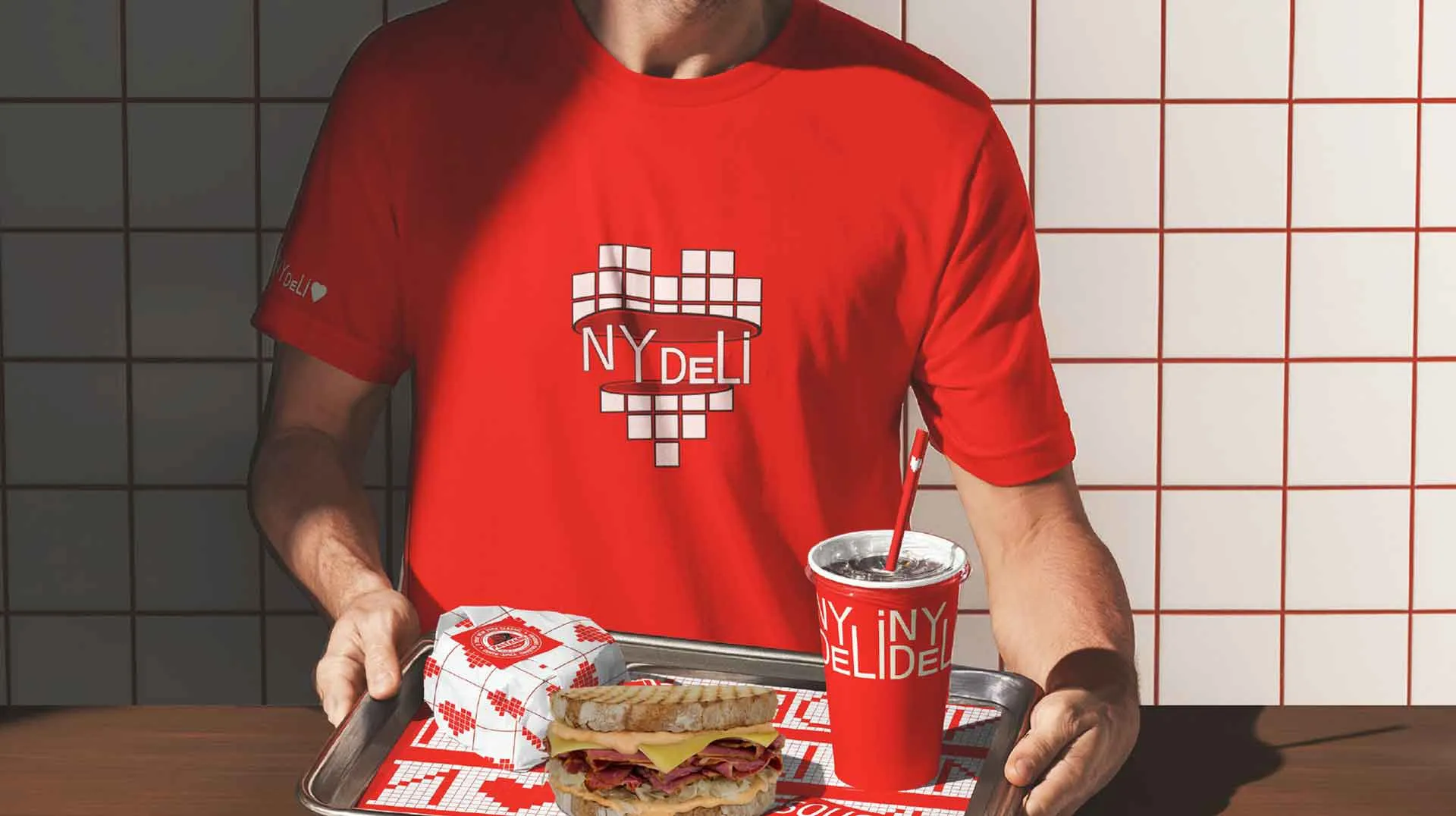
At New York Deli Amsterdam, we honor this heritage by bringing the authentic taste of the Reuben—just as it would be served in a classic New York deli—to the heart of the Netherlands. We carefully source the finest beef, cure it for 30 days until it’s perfectly tender, and pile it high with crisp sauerkraut, genuine Swiss cheese, and our house-made Russian dressing, all grilled on locally-baked, robust rye bread.
It’s a taste of history, a nod to craftsmanship, and a delicious reminder that great food, like great stories, transcends borders. So, the next time you bite into our Reuben, remember you’re not just enjoying a sandwich; you’re tasting a piece of culinary history, journeying from European villages, through the bustling streets of New York, and finally, finding its perfect home right here in Amsterdam.